
Email Security
-

Do We Really Need Anti-Virus Software?
Continua a leggereThe online world is ablaze with a discussion about whether having anti-virus software on a computer could actually pose a greater risk than the malware it is intended to safeguard against.
-

Retarus Patient Zero Detection® is Here
Continua a leggereRetarus has broken new ground with its innovative new email security feature “Patient Zero Detection®”.
-

France now also gets to take a break
Continua a leggereAs of January 1, 2017, a new law has been enacted in France allowing employees to be offline outside of their working times.
-
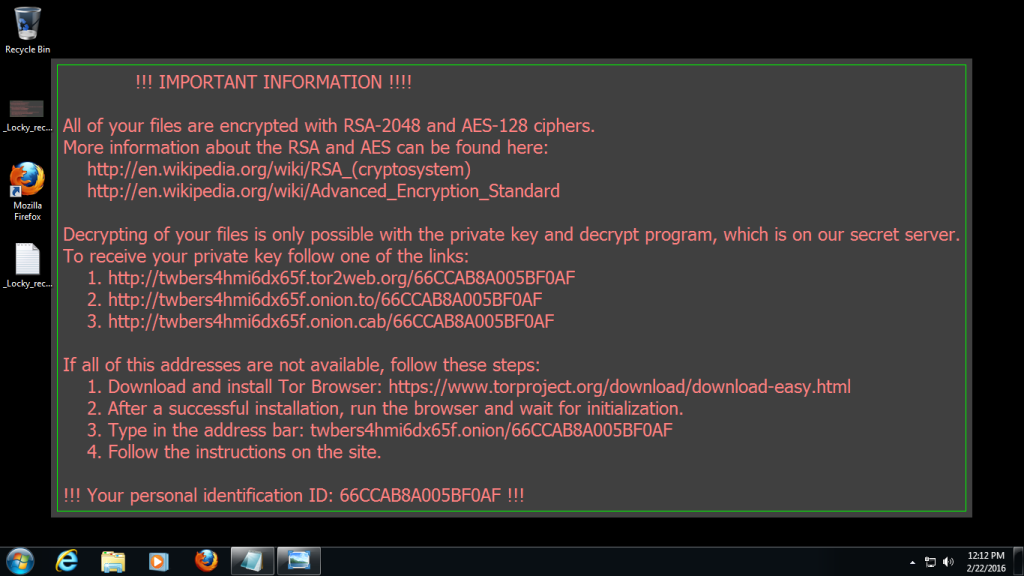
Companies more willing to give in to ransom demands
Continua a leggere70 of all companies previously held to ransom by perpetrators of a ransomware attack ended up paying the ransom demanded in order to regain access to their data.
-
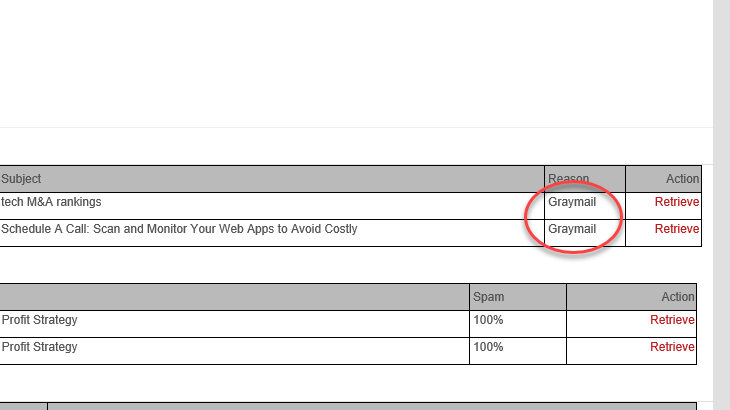
Graymail … or the tricky gray zone between newsletter and spam
Continua a leggereRetarus E-Mail Security customers are given the option of either marking and delivering legitimate mass-emails or sending them straight to quarantine. So far we’ve have been calling all such emails “newsletters”. From now on we will instead be using the more accurate term “graymail”
-

The trouble with perceived IT security
Continua a leggereMany IT security executives highly overrate their abilities – exposing their employers to additional risk.
-

Introducing Patient Zero Detection®
Continua a leggereWe are able to retrospectively identify emails which were originally delivered containing an attachment infected with a Virus – adding an enormous amount of value not only to e-mail security, but also to overall IT Security.
-

Whitelisting your own company? Not a great idea.
Continua a leggereThe whitelisting of email addresses is not meant to be used for the recipient’s own email address – and for good reason.
-

The Bad Guys Just Keep Getting Better
Continua a leggereLast year, the private sector spent more than 75 billion dollars on security software. But have systems and data become any safer?