
Ransomware
-
Università di Berlino senza posta elettronica dopo un attacco informatico
Continua a leggereLa “Berliner Hochschule für Technik” (BHT – Università di Scienze Applicate di Berlino) è attualmente isolata digitalmente dal mondo esterno. Sia il sito web che i server di posta elettronica sono stati, infatti, chiusi a causa di un attacco hacker.
-

Come i cyber-criminali scelgono le loro vittime in un attacco ransomware
Continua a leggereUna società di sicurezza informatica ha passato al setaccio gli annunci pubblicati nel dark web e ha individuato i parametri che i gruppi di cyber-criminali di ransomware adottano per selezionare le aziende da ricattare in cambio dei loro dati malevolmente criptati.
-
Statistiche attacchi informatici: le minacce IT attuali e future che incombono sulle aziende
Continua a leggereNel 2020 è stato registrato il record di attacchi informatici e violazioni di dati in tutto il mondo. Abbiamo raccolto statistiche e tendenze e cerchiamo di intuire cosa ci riserva la sicurezza nel futuro.
-
Company servers fall prey to unusual new ransomware
Continua a leggereA new ransomware campaign specifically targeting the encryption of enterprise servers has been discovered by security researchers. The technology employed by the criminals indicates the involvement of notorious cyber gangsters.
-

Ransomware becoming ever trickier
Continua a leggereThe German Federal Office for Information Security (BSI) has issued an alert on a new wave of Gandcrab ransomware attacks.
-

Beware of fake job applications containing ransomware
Continua a leggereFake job application emails are currently doing the rounds in Germany, which infect windows PCs with ransomware, encrypt files and try to blackmail users into paying ransom.
-
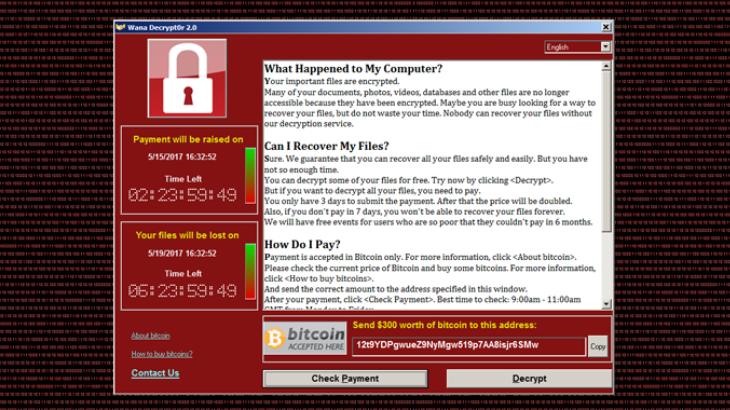
Safe, Not Sorry; Protect Your Data
Continua a leggereRansomware is a very real threat. Follow the adage; it is better to be safe than sorry.
-
What we can learn from “WannaCry”
Continua a leggereOn the past weekend the headlines were coming thick and fast about the ransomware known as “WannaCry”, which had paralyzed computers around the globe – even impacting on critical infrastructure.
-

Germans receive the most malicious spam
Continua a leggereRussian IT security company Kaspersky Lab has released a very detailed analysis of global spam traffic in 2016.