
The online world is ablaze with a discussion about whether having anti-virus software on a computer could actually pose a greater risk than the malware it is intended to safeguard against. It was Robert O’Callahan, formerly head developer at Mozilla, who got the ball rolling. He advised computer users to disable all virus scanners from their computers and not to purchase any new security software. O’Callahan only allows Microsoft’s free “basic protection” Windows Defender (because apparently Microsoft developers are clearly more competent in all security matters than all other AV producers. And the argumentation is especially interesting. For the former Firefox developer, this is not about the security gaps in security software products which have been repeatedly denounced for years. Rather, O’Callahan is annoyed as a developer that anti-virus software repeatedly causes security issues itself or hinders the implementation of effective safeguarding measures, as “heise Security” reports. Justin Schuh, who was previously one of the developers working on the security of the Chrome browser at Google, is beating the same drum. Both criticize AV software for impeding the provision of critical security updates, undermining the consistent implementation of ASLR (Address Space Layout Randomization) in many cases or eroding Transport Layer Security with faulty man-in-the-middle modules. O’Callahan and Schuh go on to complain that developers also generally lose a substantial amount of productive working time analyzing system crashes for which AV is in the final analysis responsible. 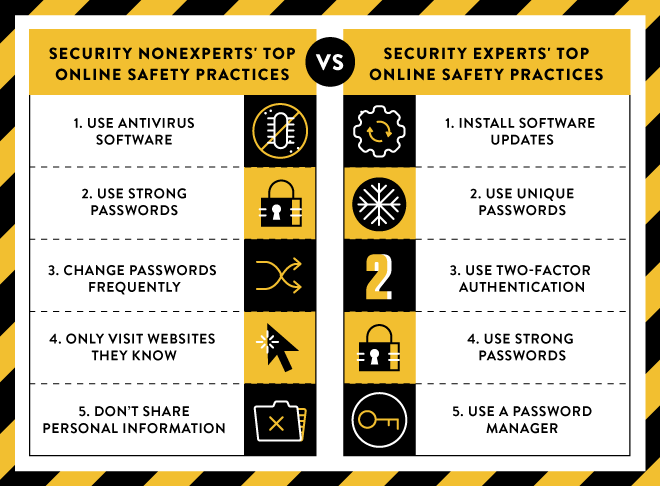
Do We Really Need Anti-Virus Software?





Enviar un comentario