Patient Zero Detection
-

The misfortune often starts in the email inbox
Leer másFor the tenth year, Verizon has published its “Data Breach Investigations Report” (DBIR). The 2017 edition once again reveals frightening shortcomings.
-

Malware victims send a clear message
Leer másBy now, it is common knowledge that cyber attacks can turn out extremely expensive for companies. But one seldom sees concrete figures.
-

Patient Zero Detection® poised to also identify phishing attacks
Leer másPatient Zero Detection® not only makes a record of attachments to inbound emails, but now also logs the URLs contained in the messages.
-
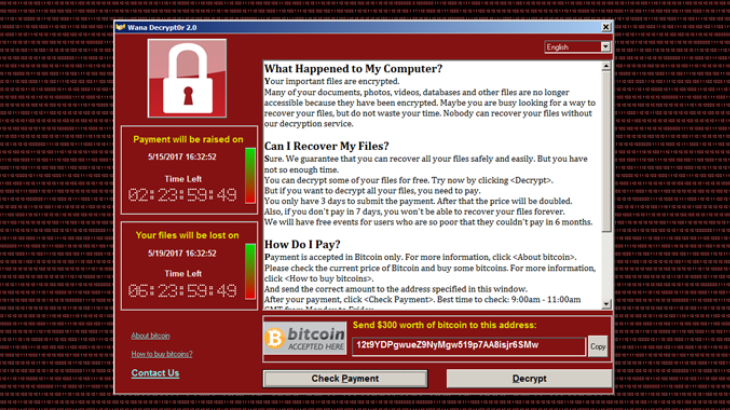
What we can learn from “WannaCry”
Leer másOn the past weekend the headlines were coming thick and fast about the ransomware known as “WannaCry”, which had paralyzed computers around the globe – even impacting on critical infrastructure.
-

Retarus is no Phisherman’s Friend
Leer másWe are pushing ahead as announced with the continued development of Retarus E-Mail Security with the introduction of a dedicated phishing filter. The phishing filter is provided free of charge and further minimizes the risk faced by Retarus customers of an employee inadvertently falling for phishing links and disclosing sensitive (access) details.
-

Growing amount of zero-day malware in circulation
Leer másDuring the last quarter of 2016, 30 percent of all malware doing the rounds was so new that traditional anti-virus software companies had not yet developed signatures for them.
-
IT Security: Detection and Response ever more crucial
Leer másGartner have observed that users are shifting an ever growing portion of their IT security budgets to “Detection and Response” activities. Demand for pure prevention, the experts go on to say, is now shrinking.
-

Germans receive the most malicious spam
Leer másRussian IT security company Kaspersky Lab has released a very detailed analysis of global spam traffic in 2016.