
Survey Finds Two-Thirds of Healthcare Leaders Fear Medicare & Medicaid Reimbursement Cuts Will Disrupt Hospital Operations

In a new report from Retarus, healthcare leaders reveal reimbursement volatility, mounting burnout, and operational fragility created by manual communication workflows.
Secaucus, May 11, 2026 //
Retarus, a leading provider of cloud-based messaging solutions for secure business communications, today released its Medicare & Medicaid Impact on Healthcare 2026 Report, revealing how reimbursement pressure and aging communications systems are straining U.S. healthcare operations. With flat budgets and increased expectations around security, operational costs, and system modernization, hospitals need resilient, modern communications solutions.
“Historically, data and document infrastructure has been considered a back-office technology,” said Martin Hager, founder and CEO of Retarus. “The numbers paint a clear picture: its role has changed. Reliable, integrated, and automated communication is now essential to maintain clinical operations, protect revenue, and support healthcare staff. The modern healthcare environment requires cutting-edge platforms that boost transparency and resilience without introducing unnecessary complexity.”
Policy Pressure is Heightening the Need for Modernization
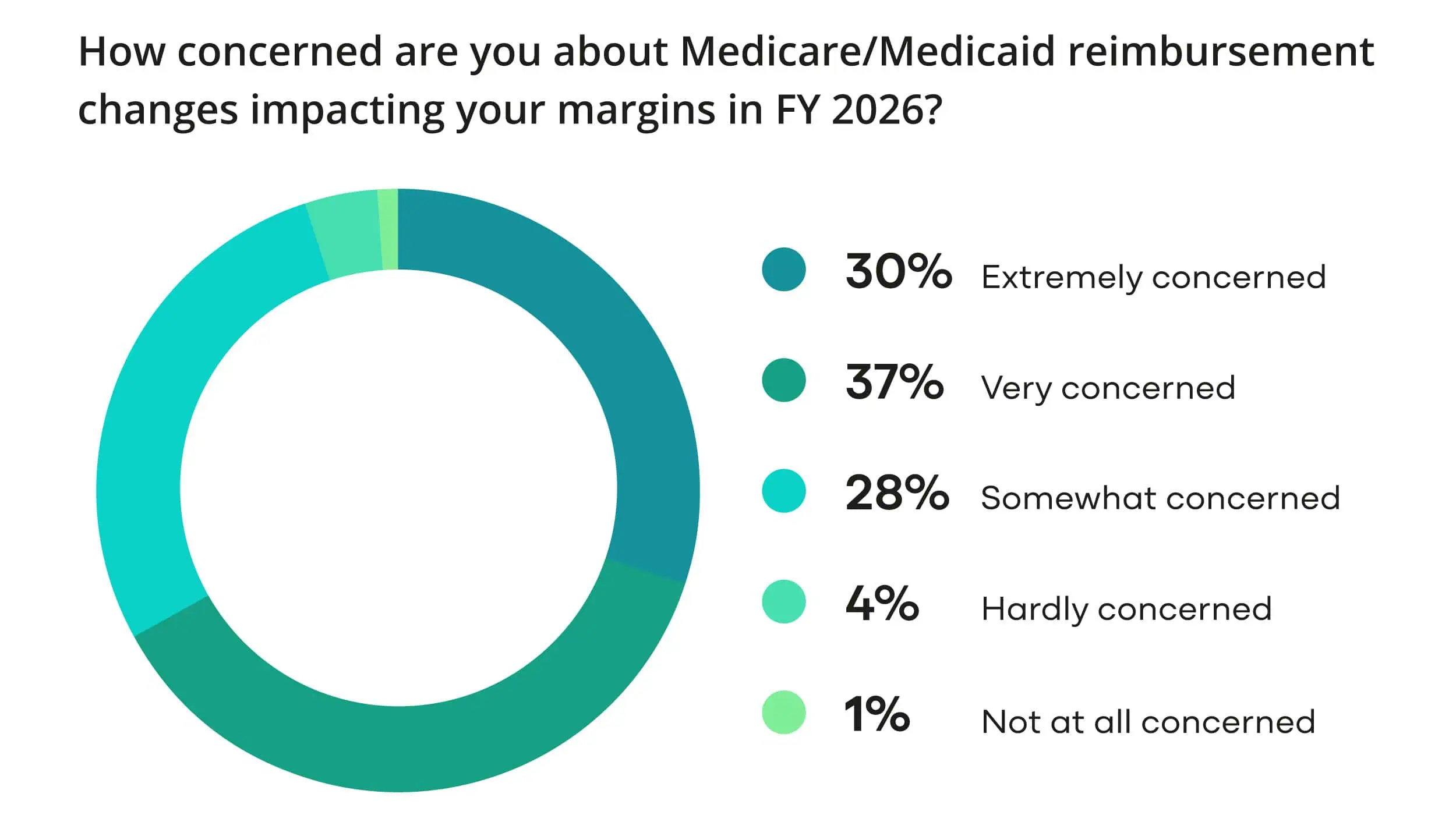
Healthcare leaders report escalating concern over the year ahead: 67% of health systems leaders are extremely or very concerned about 2026 Medicare and Medicaid reimbursement impacts. With limited budget flexibility, hospitals are being asked to contain operational risk and costs while ensuring reliability and compliance, reinforcing the need to examine communications infrastructure as part of broader modernization efforts.
Fax is Still Essential, But Legacy Systems Hold Organizations Back
Fax remains widely used across healthcare for referrals and prior authorizations. Of those using fax systems, 39% rely on outdated fax technology for more than one quarter of all communications, which consumes staff time and introduces operational risk.
Nearly two-thirds of prior authorizations require additional processing, often in the form of appeals or resubmissions, due to fragmented communication channels. As a result:
- 81% of staff spend 5 hours or more each week on fax management
- 62% report outbound failure rates of up to 3%
- Less than half (46%) of EHR systems are fully integrated, with 47% partially integrated
- 81% of organizations describe their messaging security as mostly or fully mature, but more than one-third (38%) experienced between 3 and 5 messaging incidents in the past year.
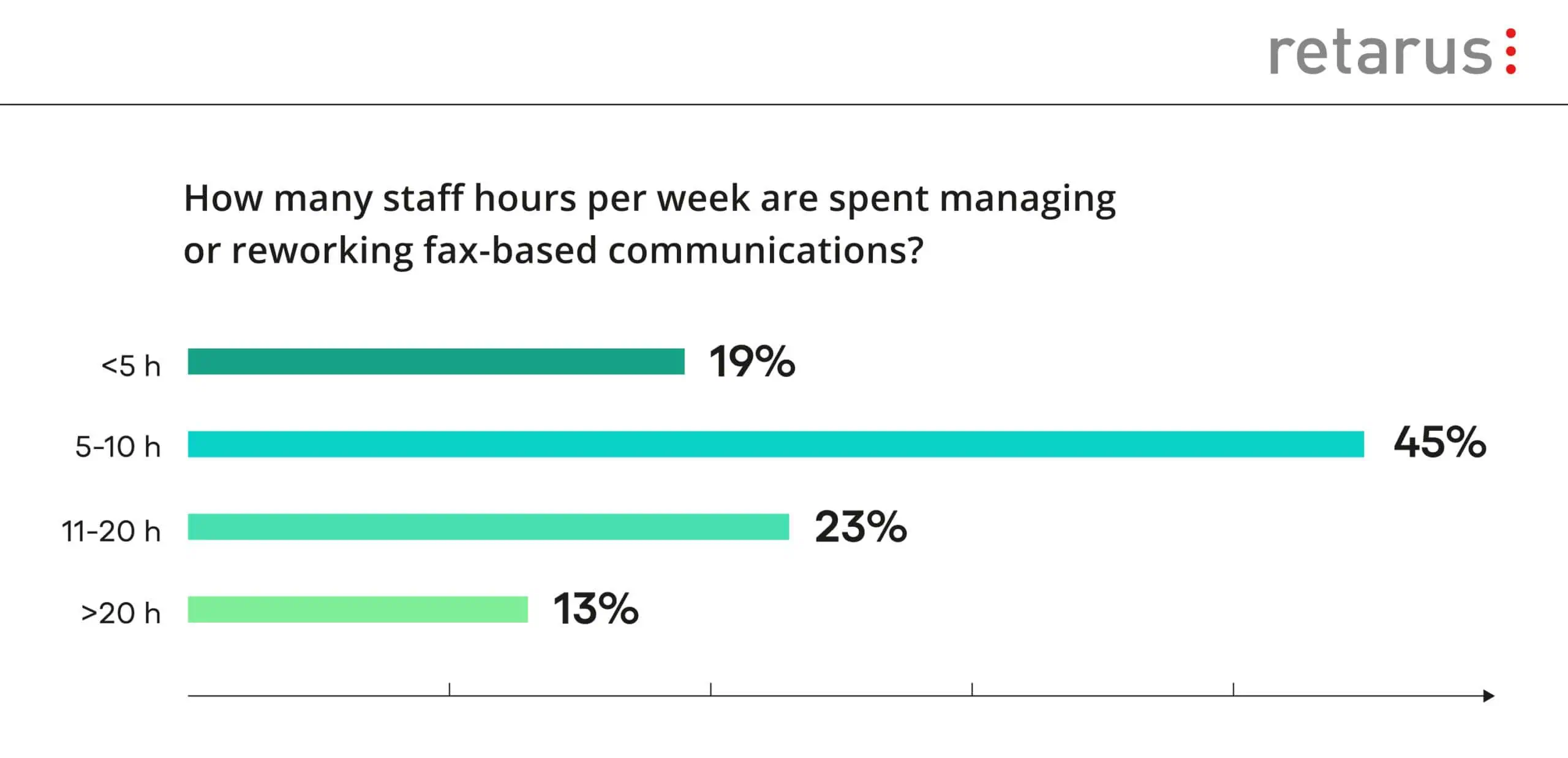
These inefficiencies can delay care, introduce risk, and increase the administrative burden on employees. Migrating from legacy fax machines to modern cloud fax solutions reduces this reliance on manual processes and significantly reduces workload, improves reliability, and minimizes failures.
Modernization Efforts are Increasing
Despite budget constraints and regulatory complexity, healthcare leaders are actively pursuing automation and communications modernization. In fact, within the next 12-18 months, 37% plan to modernize digital fax, and 32% plan to expand secure transactional email.
“Healthcare organizations are recognizing that modern communication tools are essential for running efficient and reliable operations,” added Dr. Anita Carson, Larz Anderson Professor in Operations & Technology Management at Boston University Questrom School of Business. “Platforms that combine transactional email and secure cloud fax allow providers to move critical information quickly while meeting current HIPAA requirements. Their flexibility and scalability enable organizations to modernize workflows and futureproof their communications systems while continuing to support the secure transmission of sensitive data.”
For full research insights, download the full Medicare & Medicaid Impact on Healthcare 2026 Report here.